
6 Tips on Choosing the Right Shoe for Your Sport
The right sports shoe should be comfortable from day one and matched to your activity and foot type. Here are six podiatrist-approved tips to help you choose - and avoid the injuries that badly fitting shoes cause.
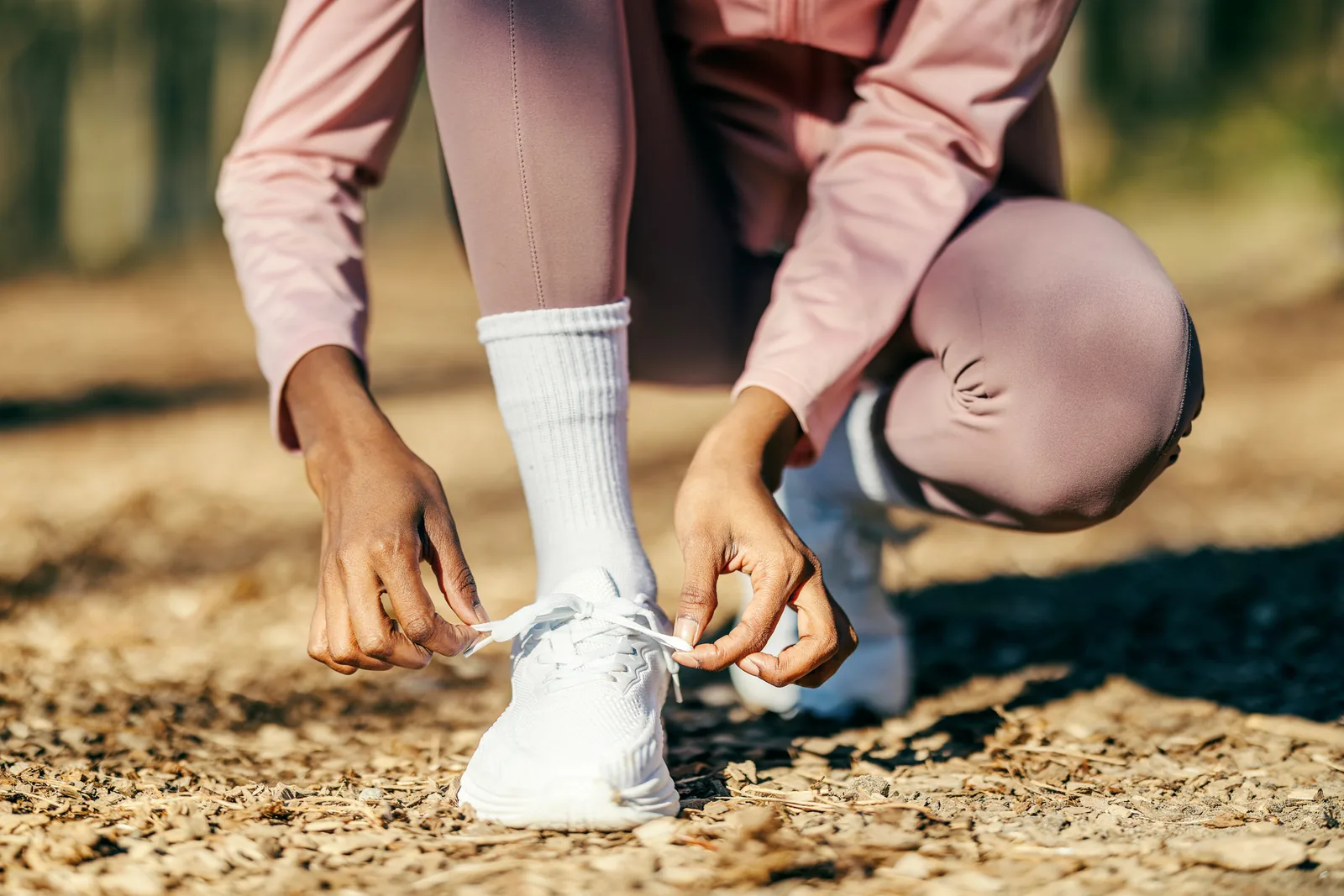
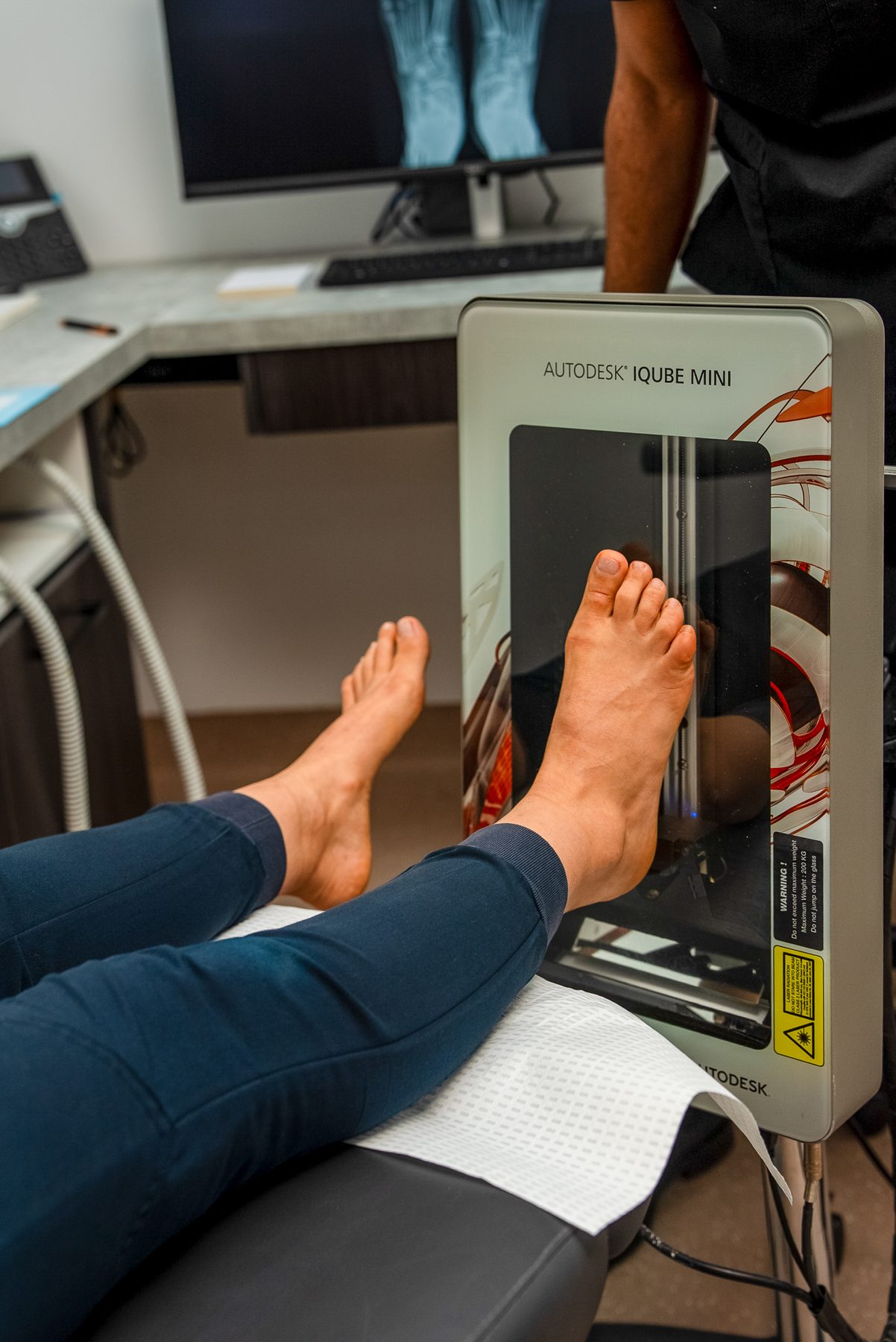
The right sports shoe can be the difference between staying injury-free and being sidelined. As the sports team at Bexley Podiatry we see plenty of foot, heel and Achilles pain that traces straight back to the wrong footwear. Here are six tips to help runners and active adults across Bexley and southern Sydney choose well.
1. It should feel right immediately
A good athletic shoe is comfortable from the first wear and shouldn't need 'breaking in'. If it pinches, rubs or feels off in the shop, it won't improve on the road.
2. Match the shoe to the activity
Different sports load the foot differently. Running shoes are built to absorb repeated straight-line impact; court sports need lateral support; gym and cross-training shoes are more stable and flatter. Identify your main activity and choose for that.
3. Get the fit and room right
- Leave about a thumb's width (roughly 2cm) between your longest toe and the end of the shoe.
- The shoe shouldn't squeeze the sides of your foot - friction causes blisters and corns.
- Shop in the afternoon when your feet are at their largest, and try shoes on with your sports socks.
4. Look for support and cushioning
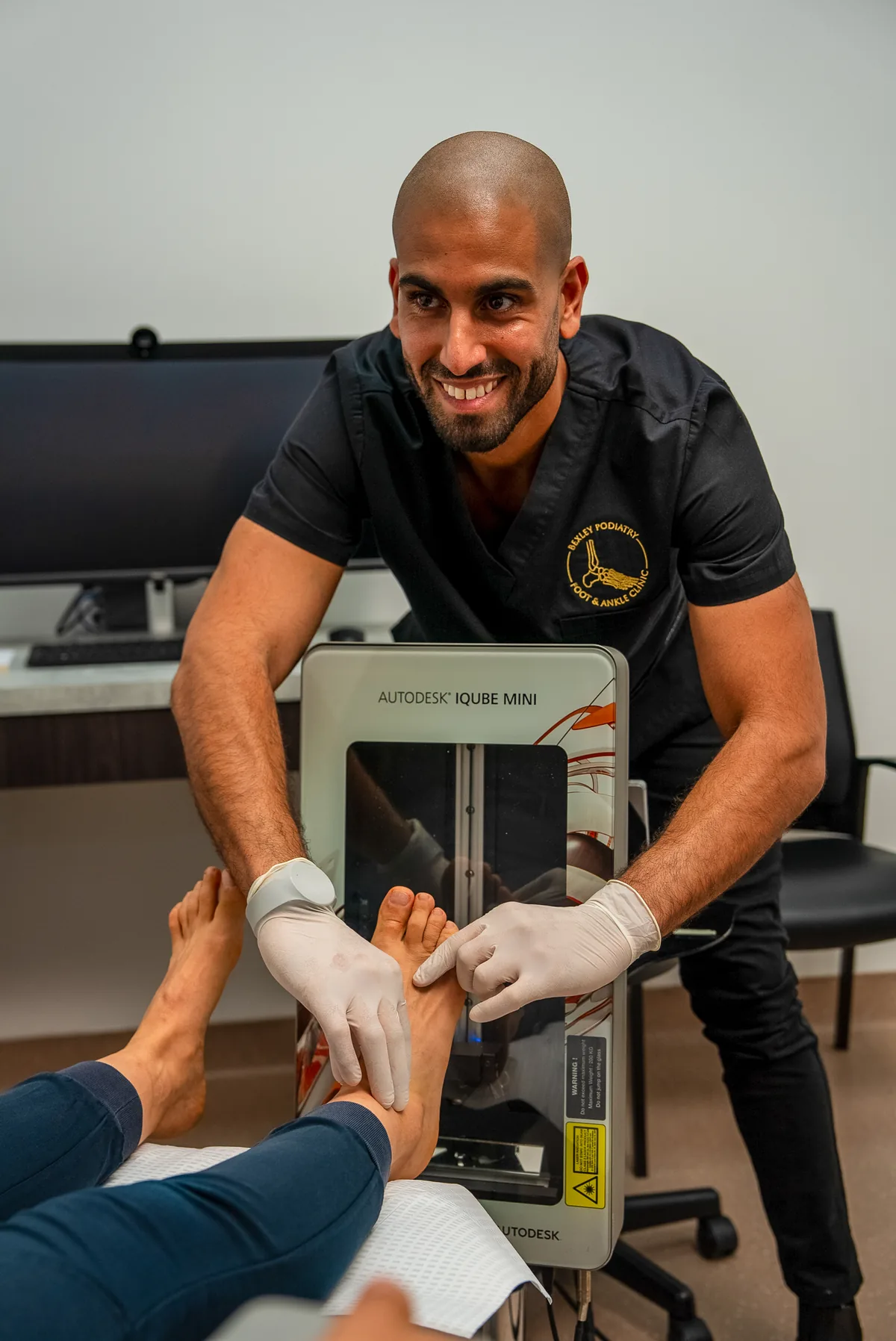
Aim for a sturdy heel counter, good midfoot support and appropriate cushioning for your sport and body weight. Running impact can reach three to four times your body weight, so the shoe's job is to manage that load. Lightweight breathable uppers help, but not at the expense of support.
5. Be cautious with 'barefoot' or minimalist shoes
Minimalist and 'barefoot-style' shoes don't offer the same support or cushioning as a traditional trainer. They can suit some runners, but switching too fast is a common cause of Achilles and calf injuries - transition gradually and get advice first.
6. Replace them on time
An average running shoe lasts around 800-1,000km, less if you're heavier or run on hard surfaces. Once the midsole is compressed or the shoe looks distorted, it's no longer absorbing impact - a frequent hidden cause of heel and plantar fascia pain.
One shoe doesn't fit all feet
The 'best' shoe depends on your foot type and how you move. If you're prone to injury, a biomechanical assessment and - where needed - custom orthotics will do more than any single shoe model.
Not sure what suits your feet?
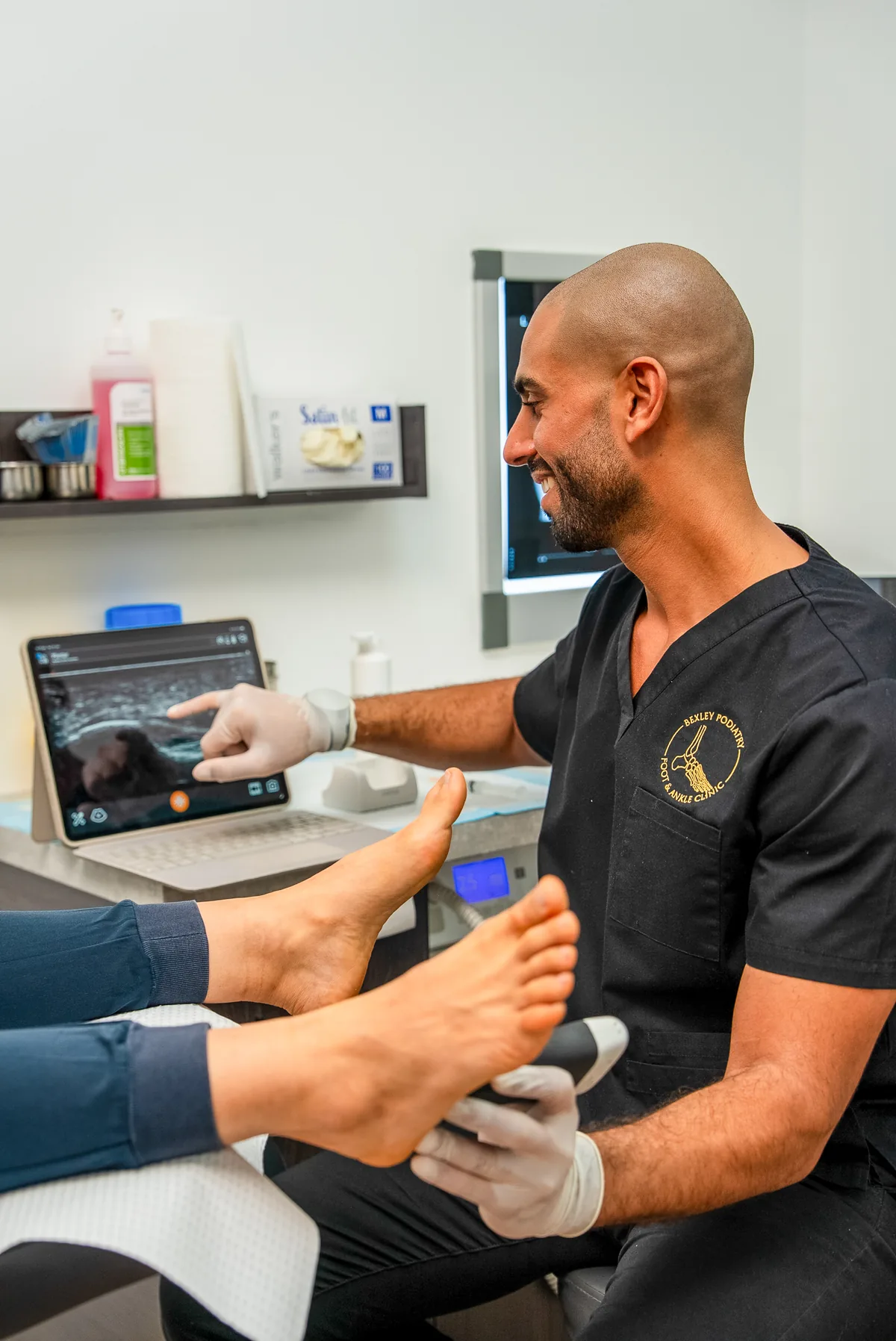
Our sports injury assessment looks at your foot type, gait and footwear and gives you tailored advice. We help runners and active people from Bexley, Kogarah, Arncliffe and across the St George area. Book online or call 1300 345 226.
Reviewed by Dr Fadel Ghazi, BHSc, MPodMed, DipRM. This article is general information, not a diagnosis - for advice about your own feet, book an assessment.
Frequently asked questions
How often should I replace my running shoes?
Roughly every 800-1,000km, or sooner if you're heavier or run on hard surfaces. If the midsole feels flat or the shoe looks distorted, it has stopped absorbing impact and should be replaced.
Are barefoot or minimalist shoes bad for you?
Not necessarily, but they provide less cushioning and support and suit some runners more than others. Switch gradually and get advice - sudden changes commonly trigger Achilles and calf injuries.
Do I need orthotics as well as good shoes?
Not everyone does. If you're injury-prone or have a specific foot type or biomechanical issue, custom orthotics work alongside the right shoe to control load. A sports assessment will tell you whether you'd benefit.