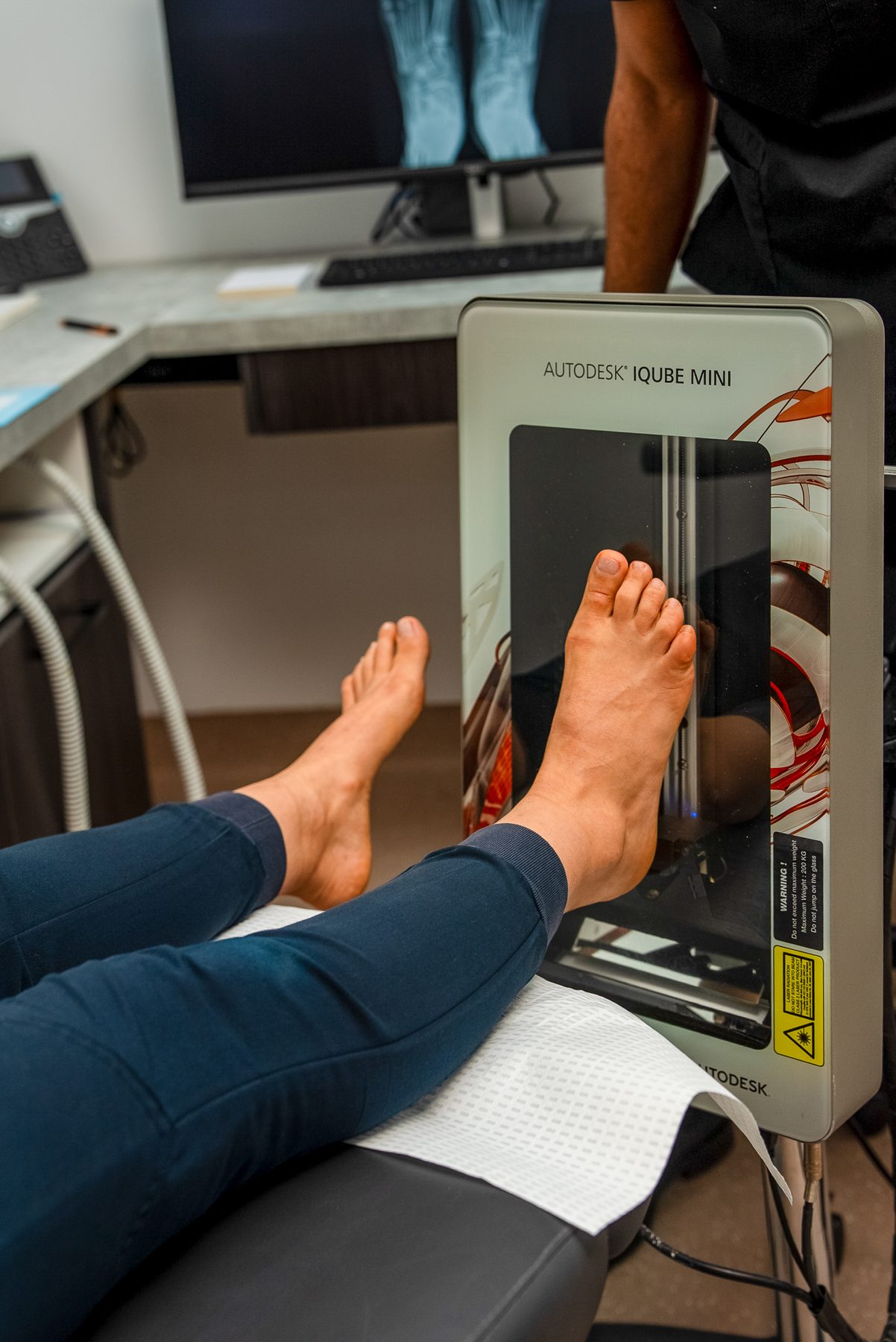

Hammer Toe: What It Is, Symptoms, and How to Fix It
If a toe has started to curl, bend, or rub against your shoe, it could be a hammer toe - one of the most common toe deformities we see. Caught early, it's very manageable without surgery. Here's what to look for and how we treat it.
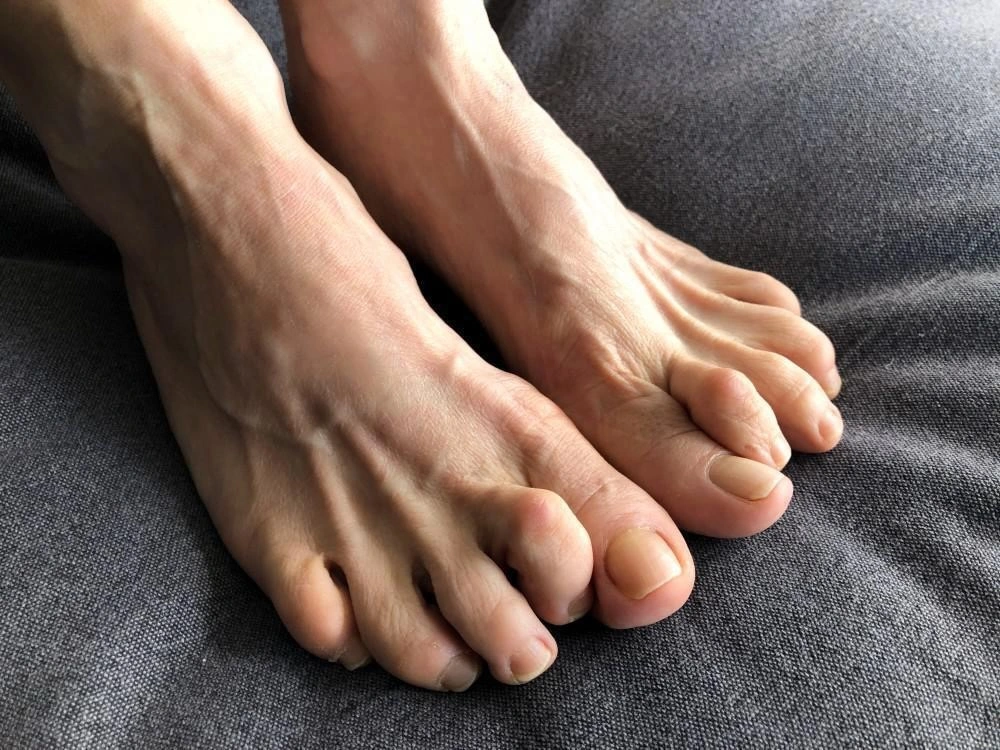
If one of your toes has started to curl, look bent, or rub uncomfortably against your shoe, you could be dealing with a hammer toe. It's one of the most common toe deformities we see at Bexley Podiatry: Foot & Ankle Clinic, and the good news is that when it's caught early, it's very manageable without surgery. Here's what to look for, what causes it, and how we treat it for patients across Bexley, Rockdale and the wider St George area.
What is hammer toe?
A hammer toe is a deformity that causes one or more of your smaller toes to bend abnormally at the middle joint, known as the proximal interphalangeal (PIP) joint. Instead of lying flat, the toe buckles downward, creating a shape that resembles a hammer - hence the name.
Hammer toe most commonly affects the second toe, though it can develop in the third or fourth toes as well. The little toe is rarely affected on its own.
In the early stages, the toe remains flexible and can still be moved. Over time, if left untreated, the muscles and tendons around the joint tighten and shorten, and the toe can become permanently fixed in that bent position. This is when the condition becomes more difficult to treat without surgical intervention.
Key point
Hammer toe is a progressive condition. The earlier it's assessed and treated, the more likely you are to avoid surgery and resolve it with simple, non-invasive measures.
Signs and symptoms to watch for
Recognising hammer toe symptoms early is the key to getting ahead of the problem. Symptoms can vary depending on how far the condition has progressed:
- Visible bending or curling of the toe at the middle joint
- Pain or discomfort when wearing shoes
- Corns or calluses on top of the bent joint
- Redness, swelling, or inflammation around the toe
- Difficulty walking or bearing weight comfortably
- Stiffness or loss of movement in the affected toe
In more advanced cases, the constant friction between the bent toe and the inside of your shoe can lead to open sores or ulcers, particularly in patients with diabetes or poor circulation. If you notice any of these signs, it's worth having the toe assessed sooner rather than later.
Watch out for this
Corns on top of the toe joint are one of the earliest warning signs of hammer toe. Don't treat them as a cosmetic problem - they're telling you the joint is under abnormal pressure.
What causes hammer toe?
Hammer toe develops when there's an imbalance between the muscles and tendons that control your toe's movement. Several factors can contribute to this imbalance.
Footwear
Ill-fitting shoes are one of the most common contributing factors. Shoes with a narrow toe box, pointed tips, or high heels force the toes into a cramped, bent position. Over time, this can cause the muscles and tendons to adapt and shorten in that curled position.
Foot structure and genetics
Certain foot shapes are more prone to hammer toe. People with a second toe that's longer than the big toe (known as Morton's foot), high arches, or flat feet may be more susceptible. If your parents or grandparents had hammer toes, your risk is higher too.
Muscle imbalance
When the muscles on the top and bottom of the toe are out of balance, the toe can be pulled into a bent position. This imbalance can develop gradually or be linked to biomechanical issues in the foot and lower limb.
Trauma or injury
A stubbed toe, a fracture, or overuse from repetitive activities like running can damage the muscles and tendons around a toe joint, increasing the likelihood of developing a hammer toe deformity over time.
Underlying health conditions
Conditions such as arthritis, diabetes, and neurological disorders can affect the muscles and tendons in the foot, making hammer toe more likely to develop or progress faster than it otherwise would.
Hammer toe vs mallet toe: what's the difference?
These two conditions are frequently confused, and understandably so. Both involve an abnormal bend in one of the smaller toes, and both can cause pain, corns, and difficulty with footwear. The key distinction is which joint is affected:
- Joint affected - hammer toe affects the middle (PIP) joint; mallet toe affects the end (DIP) joint, closest to the toenail.
- Appearance - a hammer toe bends sharply at the middle with the tip pointing down; a mallet toe curls downward only at the tip.
- Toes most affected - the second toe most commonly in both; hammer toe can also affect the third and fourth.
- Common cause - hammer toe: muscle imbalance, tight footwear, foot structure. Mallet toe: tendon injury or tightness at the end joint.
- Typical symptoms - hammer toe: corns on top of the toe and pain in the middle. Mallet toe: corns or pain at the tip.
- Treatment approach - hammer toe: footwear changes, orthotics, exercises, splinting, surgery if rigid. Mallet toe: splinting, strapping, footwear changes, surgery if needed.
Both conditions can look similar at a glance. A podiatrist will assess exactly which joint is affected during your consultation, because the joint involved determines the right treatment approach. Getting the diagnosis right from the start matters.
Good to know
There's also a third related condition called claw toe, where all three toe joints are affected at once, causing the toe to curl up at the base and down at the middle and tip. Claw toe is often linked to nerve damage and needs its own assessment and management plan.
Understanding the deformity: flexible vs rigid
One of the most important distinctions in assessing a hammer toe deformity is whether the toe is still flexible or has become rigid. This directly determines how it's treated and what outcomes you can expect.
Flexible hammer toe
In the early stages, the toe is still flexible - meaning the joint can be manually straightened. The muscles and tendons around it haven't permanently shortened. This is the ideal time to intervene, because conservative, non-surgical treatment is most effective at this stage and can stop the deformity from worsening.
Rigid hammer toe
As the deformity progresses, the soft tissues surrounding the joint contract and the toe becomes locked in the bent position. At this stage, the toe cannot be straightened by hand. Pain is usually more constant, corns may be severe, and walking can become noticeably difficult. Surgical correction is more likely to be required at this point.
Don't wait
A flexible hammer toe today can become a rigid hammer toe in a matter of months or years if left untreated. Acting early gives you far more treatment options and a better outcome.
How to fix hammer toe: treatment options
The right approach to hammer toe treatment depends on the severity of the deformity, whether the toe is still flexible, and the symptoms you're experiencing. For most patients, especially those who present early, non-surgical options are highly effective.
Non-surgical treatments
- Footwear changes - switching to shoes with a wide, deep toe box reduces pressure on the bent toe and gives it room to decompress. Avoid high heels and pointed-toe shoes.
- Custom [orthotics](/services/orthotic-therapy) - custom-made shoe inserts address the underlying biomechanical issues that contribute to hammer toe, redistributing pressure and slowing or stopping the progression of the deformity.
- Padding and strapping - padding over the toe joint protects against friction and relieves corn pain, while toe strapping or splints help realign the joint and reduce the pull of the tendons.
- Toe exercises - stretching and strengthening exercises help restore the muscle balance around the toe joint. Your podiatrist can demonstrate exercises specific to your condition.
- Corn and callus removal - professional removal of corns and calluses on top of the toe provides immediate relief, and is best done by a podiatrist to avoid damaging the surrounding skin.
- [Injection therapy](/services/injection-therapy) - corticosteroid injections can reduce acute pain and inflammation around the toe joint when other conservative measures haven't provided sufficient relief.
Surgical treatment
Surgery is considered when the hammer toe has become rigid, when non-surgical treatments haven't provided adequate relief, or when the deformity is severe enough to significantly impact daily life. It's typically performed as a day procedure under local anaesthetic.
The specific procedure depends on the type and severity of the deformity, and may involve releasing or lengthening the tendons, removing a small section of bone, or fusing the joint. Recovery time varies, and your podiatrist will give you a clear picture of what to expect based on your individual situation.
At Bexley Podiatry, our team includes podiatric surgical registrars with extensive experience in both conservative management and, where necessary, surgical referral and intervention planning for hammer toe.
Prevention tips
Not every case of hammer toe is preventable, but there are practical steps you can take to reduce your risk or slow the progression of an existing deformity:
- Choose shoes that fit properly. Your toes should have enough room to lie flat, with a wide, deep toe box and at least a thumb's width of space between your longest toe and the end of the shoe.
- Avoid high heels for extended periods. Regular use of high heels shifts body weight forward and crowds the toes, accelerating the development of toe deformities.
- Stretch your feet regularly. Simple toe stretches help maintain flexibility in the tendons and muscles around the toe joints.
- Address foot problems early. Bunions, flat feet, and high arches all affect the mechanics of the foot and can predispose toes to deformity - getting them assessed early reduces your overall risk.
- See a podiatrist at the first sign of change. If you notice a toe beginning to curl or change shape, don't wait for it to become painful. Early intervention is always more effective.
When to see a podiatrist
You should book an appointment with a podiatrist if you notice any of the following:
- A toe that appears bent, curled, or sitting higher than the others
- Persistent pain, soreness, or stiffness in a toe
- Corns or calluses forming on top of a toe joint
- Difficulty fitting into your usual shoes comfortably
- Any change in the way you're walking due to toe discomfort
- Open sores or skin breakdown on or around the toe (especially if you have diabetes)
The sooner you're assessed, the more options you have. A podiatrist will examine the toe, determine whether it's flexible or rigid, identify any contributing factors in your foot mechanics, and recommend a treatment plan tailored to your situation.
Ready to get your feet sorted?
The team at Bexley Podiatry offers comprehensive assessments for hammer toe and all related toe and foot conditions for patients across Bexley, Rockdale and the St George area. We're a bulk-billing practice for eligible patients on a primary care plan, and Medicare's Enhanced Primary Care (EPC) plan offers up to five podiatry visits for qualifying patients. Book online today to get started.
Related on our site
Reviewed by Dr Ozan Amir, FACPS. This article is general information, not a diagnosis - for advice about your own feet, book an assessment.
Frequently asked questions
Can hammer toe be fixed without surgery?
Yes, in many cases. If the toe is still flexible and the deformity is caught early, a combination of footwear changes, custom orthotics, toe exercises, padding and strapping can effectively manage the condition and prevent it from progressing. Surgery is generally only recommended when the toe has become rigid or when conservative treatments haven't provided adequate relief.
Does hammer toe go away on its own?
No. Hammer toe is a progressive condition, meaning it tends to worsen over time without treatment and won't resolve on its own. However, early intervention can significantly slow or halt the progression and manage symptoms effectively without surgery.
What is the difference between hammer toe and mallet toe?
The difference is the joint involved. Hammer toe affects the middle joint (PIP joint) of the toe, causing it to bend sharply like a hammer. Mallet toe affects the end joint (DIP joint), closest to the toenail, causing the tip of the toe to curl downward. Both can cause corns, pain and difficulty with footwear, but they require slightly different treatment approaches.
How long does hammer toe surgery recovery take?
Recovery varies depending on the type of procedure performed and the severity of the deformity. Generally, patients can expect some swelling and discomfort for several weeks. Your podiatrist or surgeon will give you a specific recovery timeline and instructions based on your individual case.
Are hammer toes more common in women?
Yes. Research suggests hammer toes are more prevalent in women, likely due to more frequent use of footwear with narrow toe boxes, high heels and pointed tips. However, hammer toes can and do develop in men as well, particularly in those with structural foot issues or a history of foot injury.
Can I claim podiatry visits for hammer toe through Medicare?
Eligible patients on an Enhanced Primary Care (EPC) plan may be able to access up to five subsidised podiatry visits through Medicare. Speak to your GP to find out if you qualify. Bexley Podiatry is a bulk-billing practice for eligible pensioners and patients on a primary care plan.