
The Most Common Nail and Skin Issues We See on Children's Feet
Warts, ingrown toenails and athlete's foot are some of the most common reasons parents bring children to see us. Here's what's normal, what you can manage at home, and when a podiatrist should take a look.
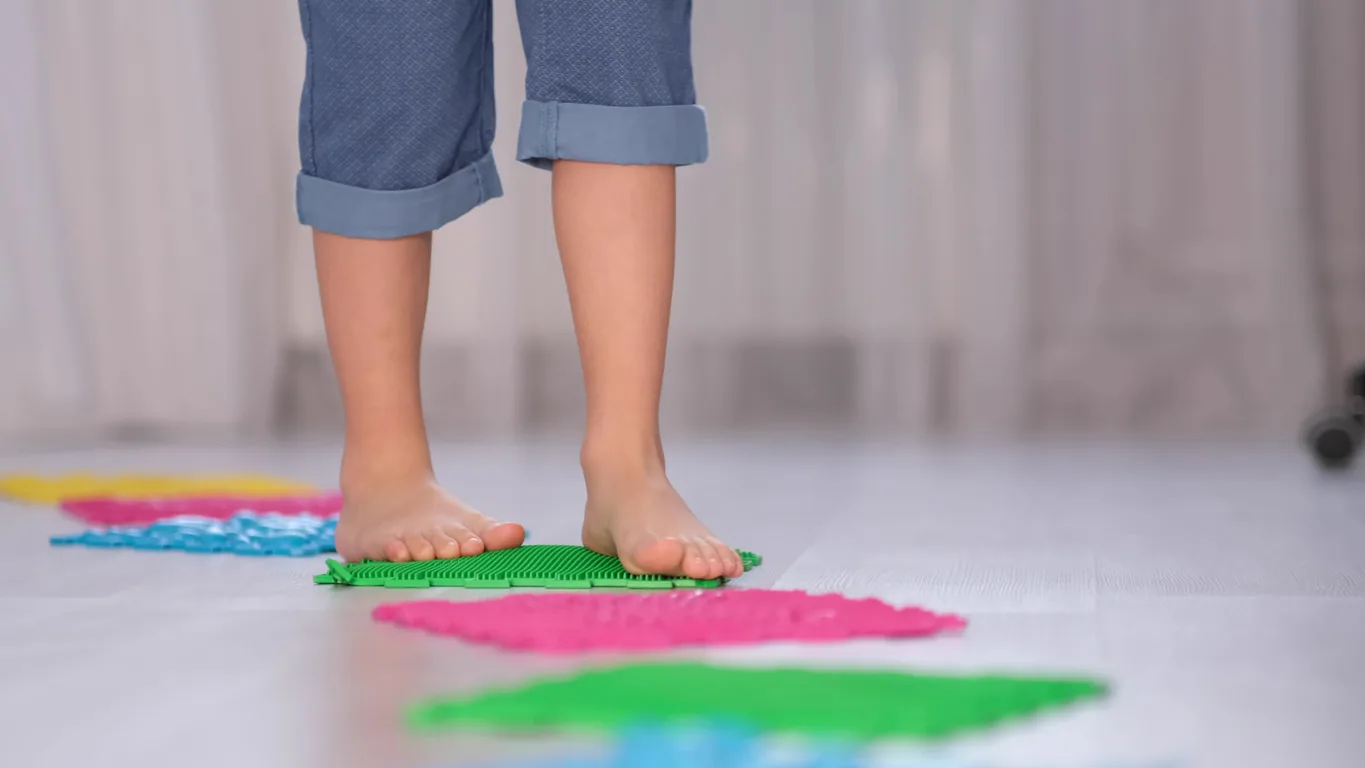
Skin and nail problems on children's feet are extremely common, and most are easily treated. Because kids are active, often barefoot around pools and change rooms, and growing quickly, they're prone to a handful of specific issues. At Bexley Podiatry: Foot & Ankle Clinic we see these every week in children from across Bexley, Rockdale and the wider St George area - so here's how to tell what needs professional care and what you can manage at home.
The most common skin and nail issues in kids' feet
Plantar warts (verrucae)
Plantar warts are caused by a virus and appear on the sole as a hard, flat, rough patch - sometimes with tiny black dots. Children, especially teenagers, catch them more easily than adults, and they spread in warm, moist places like pools and showers. Left alone they can multiply into clusters and become painful to walk on. See our plantar warts page for how we treat stubborn ones.
Ingrown toenails
An ingrown toenail happens when the edge of the nail presses into or pierces the surrounding skin, causing pain, redness and sometimes infection. In kids it's often down to tight shoes, tearing rather than cutting the nail, or a naturally curved nail shape. Recurrent or infected ingrown nails may need a simple in-clinic procedure.
Athlete's foot and fungal nails
Athlete's foot is an itchy, flaky or cracked rash between the toes, common in sporty children who sweat into enclosed shoes. It can spread to the toenails, leaving them thickened or discoloured - see fungal nails. Good drying and clean, breathable socks help, but persistent cases need treatment.
Never treat these at home
Avoid over-the-counter acid wart paints and never cut a child's ingrown nail yourself - both can damage healthy skin and cause infection. If your child has diabetes or reduced sensation, always have foot problems checked professionally.
What you can safely manage at home
- Wash and dry thoroughly between the toes every day, especially after sport or swimming.
- Change into clean, breathable cotton or wool-blend socks daily.
- Cut toenails straight across, not down the sides, and not too short.
- Let feet air out - thongs or open shoes at home give sweaty feet a break.
- Don't share towels, socks or shoes, which spreads warts and fungal infections.
When to see a podiatrist
Book an appointment if a problem is persistent, painful, spreading, or of concern. Specifically, see us when:
- A wart is painful, growing, multiplying, or hasn't cleared after a few months.
- A toenail is red, swollen, weeping or repeatedly getting infected.
- Athlete's foot keeps coming back despite good hygiene.
- Your child is limping, avoiding activity, or complaining of foot pain.
Children's foot care in Bexley & southern Sydney
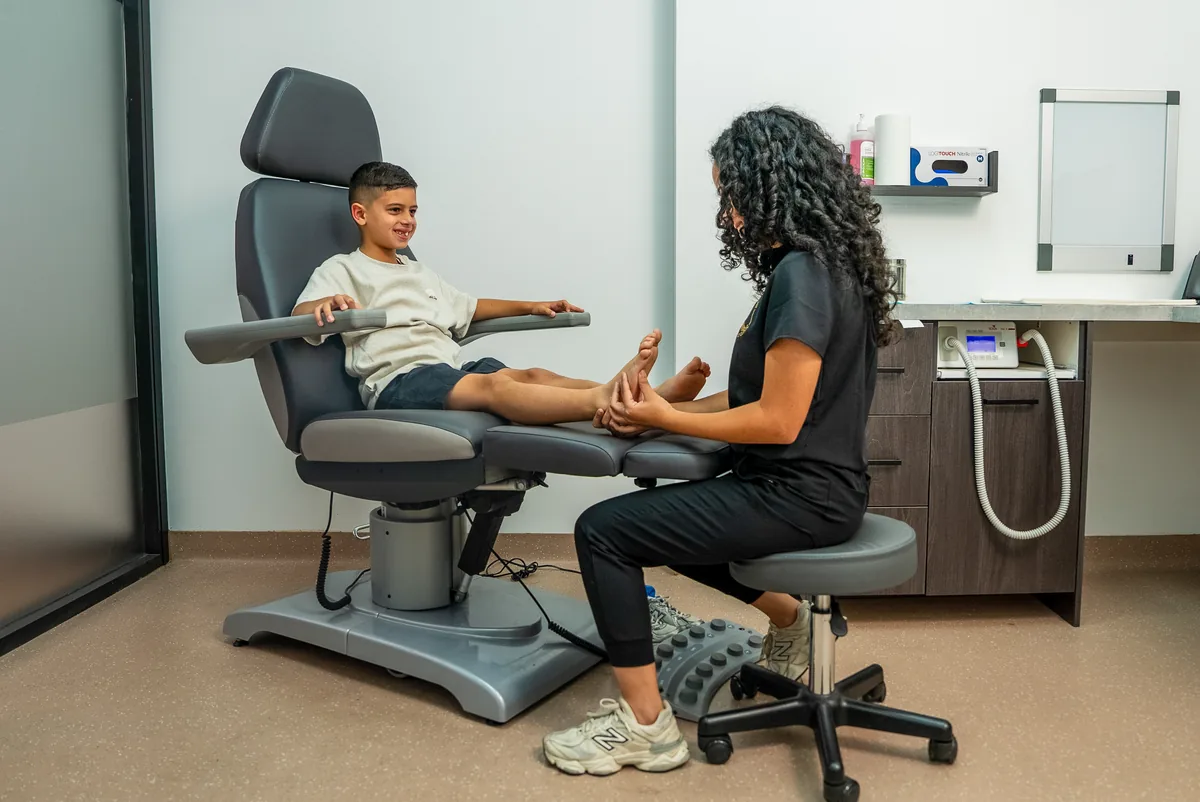
Our children's podiatry service offers gentle, child-friendly assessment and treatment for families across Bexley, Rockdale, Kogarah and Hurstville. We explain everything in plain language, keep kids at ease, and give you a clear plan. You don't need a referral to book - make an appointment online or call us on 1300 345 226.
Related on our site
Reviewed by Dr Afra Rumali, BPodMed. This article is general information, not a diagnosis - for advice about your own feet, book an assessment.
Frequently asked questions
Are plantar warts in children dangerous?
No - plantar warts are harmless, but they can be painful and spread if left. Many clear on their own over months; painful, growing or multiplying warts are worth treating so they don't take over.
Should I cut my child's ingrown toenail myself?
No. Digging out an ingrown nail at home often makes it worse and can cause infection. Cut nails straight across, and if the toe is red, sore or infected, see a podiatrist - a quick, painless treatment usually sorts it.
Do I need a referral to bring my child to a podiatrist?
No, you can book directly. A GP referral is only needed to claim under a Medicare care plan. Private health extras with podiatry cover can be claimed on the spot via HICAPS.